


Navigating Life Transitions Without Losing Emotional Ground
Life transitions are inevitable. Some are planned — career shifts, relocations, educational milestones. Others arrive unexpectedly — relationship changes, health challenges, identity shifts, or loss.
Even positive transitions can disrupt emotional stability. What once felt predictable becomes uncertain. Roles evolve. Expectations change. The nervous system must adapt.
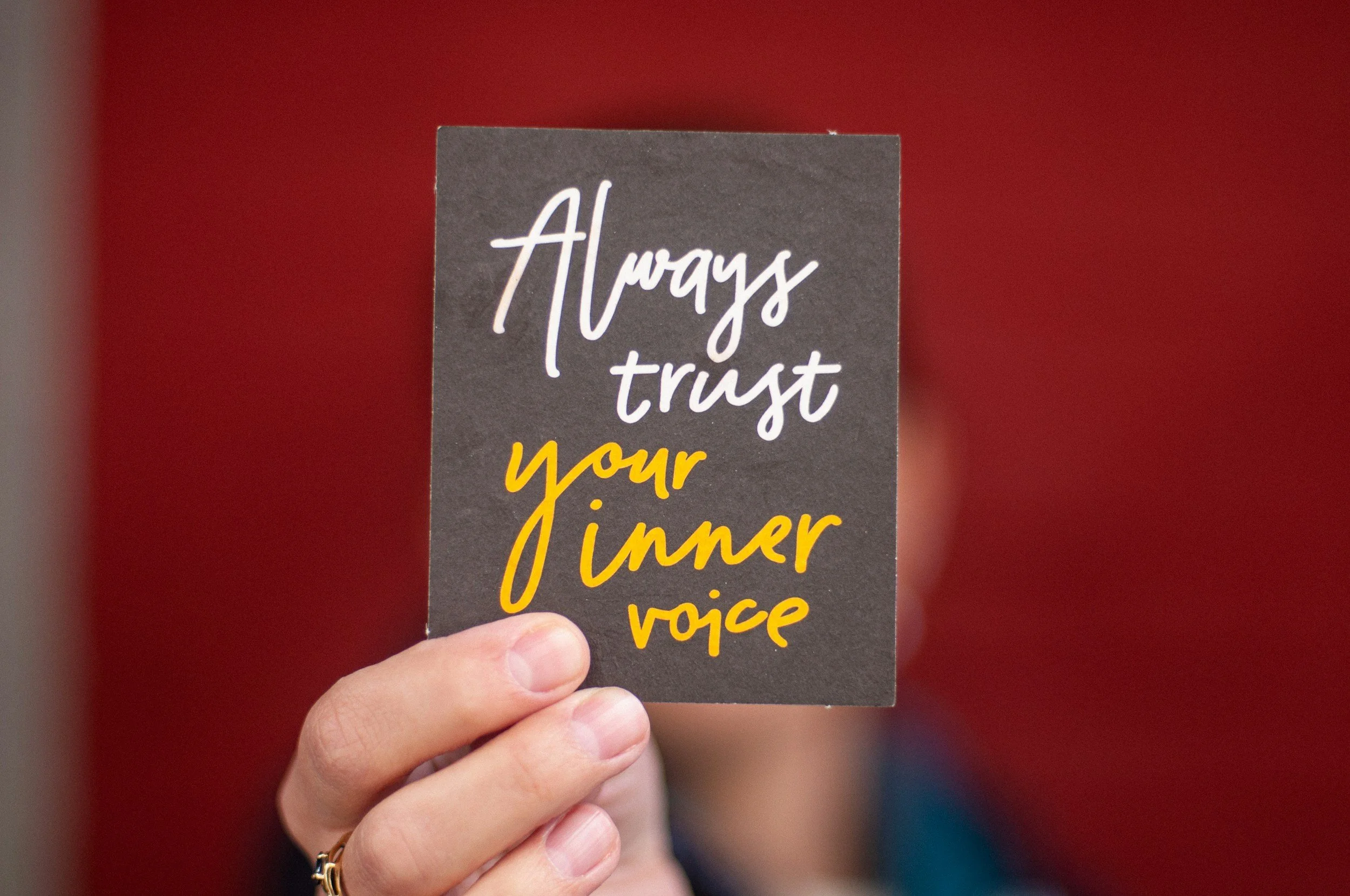
Reclaiming Your Voice in the Healing Process
Your voice is more than speaking. It is the ability to recognize your needs, express your emotions, set boundaries, and make decisions that align with your values. When voice is suppressed—by past experiences, relational dynamics, cultural expectations, or internalized self-doubt—emotional distress often follows.


Building Emotional Consistency in an Inconsistent World
Mental health is often addressed in moments of urgency—when anxiety escalates, burnout surfaces, or emotional overwhelm becomes difficult to manage. Yet long-term emotional well-being is shaped less by crisis intervention and more by consistency.

Why Stress Is Not Just “In Your Head”
Stress is often treated as a thought problem—something that should ease once circumstances improve or perspective shifts. When tension lingers or the body feels unsettled despite logical reassurance, it can create confusion.

Why Some People Carry Stress in Their Upper Body
Stress does not show up the same way for everyone.
Some people notice it in their thoughts. Others notice it in their sleep. And many people notice it physically—especially in their upper body.
Neck stiffness. Shoulder tightness. Jaw clenching. Upper back tension that lingers even after rest.