


Strengthening Communication to Reduce Conflict and Emotional Distance
Conflict in relationships is inevitable. Emotional distance, however, often develops when communication patterns go unexamined. Many individuals believe conflict itself is the problem. More often, the difficulty lies in how conflict is managed — whether emotions escalate, needs remain unspoken, or assumptions replace clarification.

Navigating Bicultural Identity and Emotional Well-Being
For many individuals, identity is layered. Cultural background, family values, language, community expectations, and personal goals may not always align seamlessly. Living between cultures can create both strength and strain.

Strengthening Emotional Awareness in Children and Adolescents
Children and adolescents experience stress, anxiety, sadness, and frustration just as adults do — but they do not always have the language or skills to express what they are feeling.
When emotions go unrecognized or misunderstood in early development, they can show up as behavior rather than words.

Learning to Regulate Emotions Instead of Suppressing Them
Many people grow up learning how to suppress emotions rather than regulate them. Messages like “stay strong,” “don’t overreact,” or “just move on” can unintentionally teach individuals to disconnect from their internal experiences.
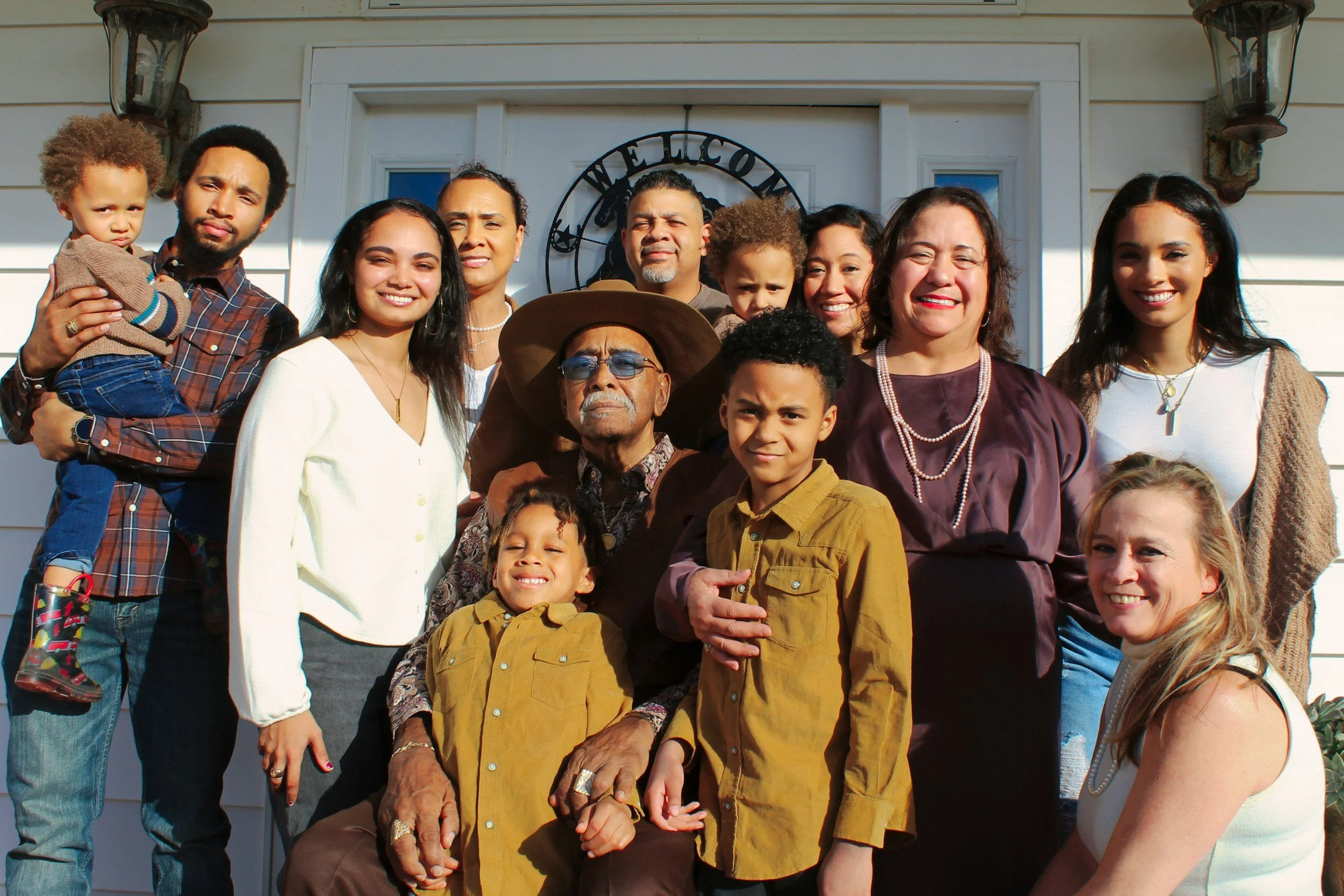
Balancing Cultural Expectations and Personal Well-Being
Mental health does not exist in isolation. It is shaped by family systems, cultural narratives, community expectations, and generational values. For many individuals, distress does not stem solely from internal struggle — it emerges from the tension between cultural responsibility and personal needs.
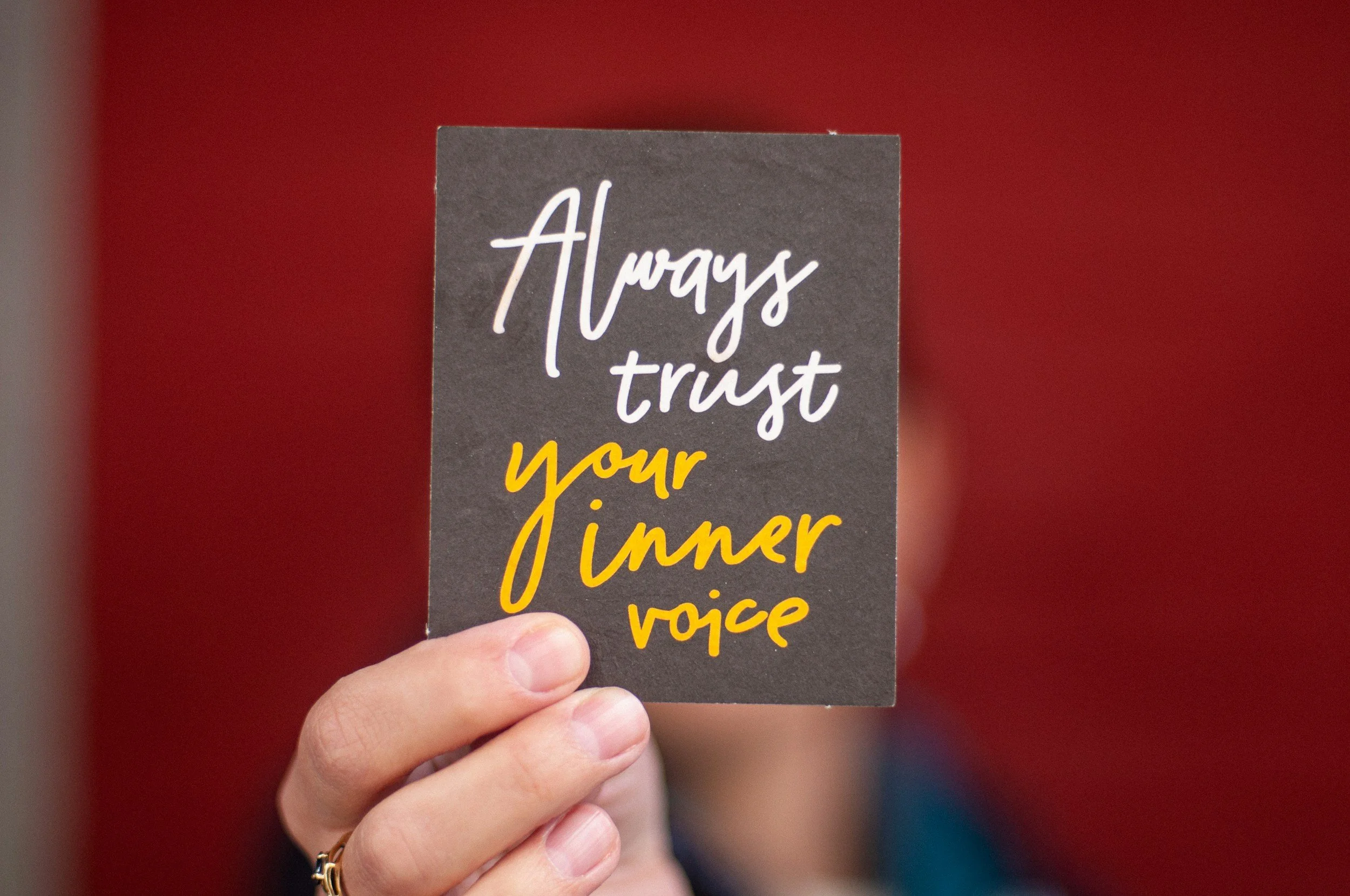
Reclaiming Your Voice in the Healing Process
Your voice is more than speaking. It is the ability to recognize your needs, express your emotions, set boundaries, and make decisions that align with your values. When voice is suppressed—by past experiences, relational dynamics, cultural expectations, or internalized self-doubt—emotional distress often follows.