

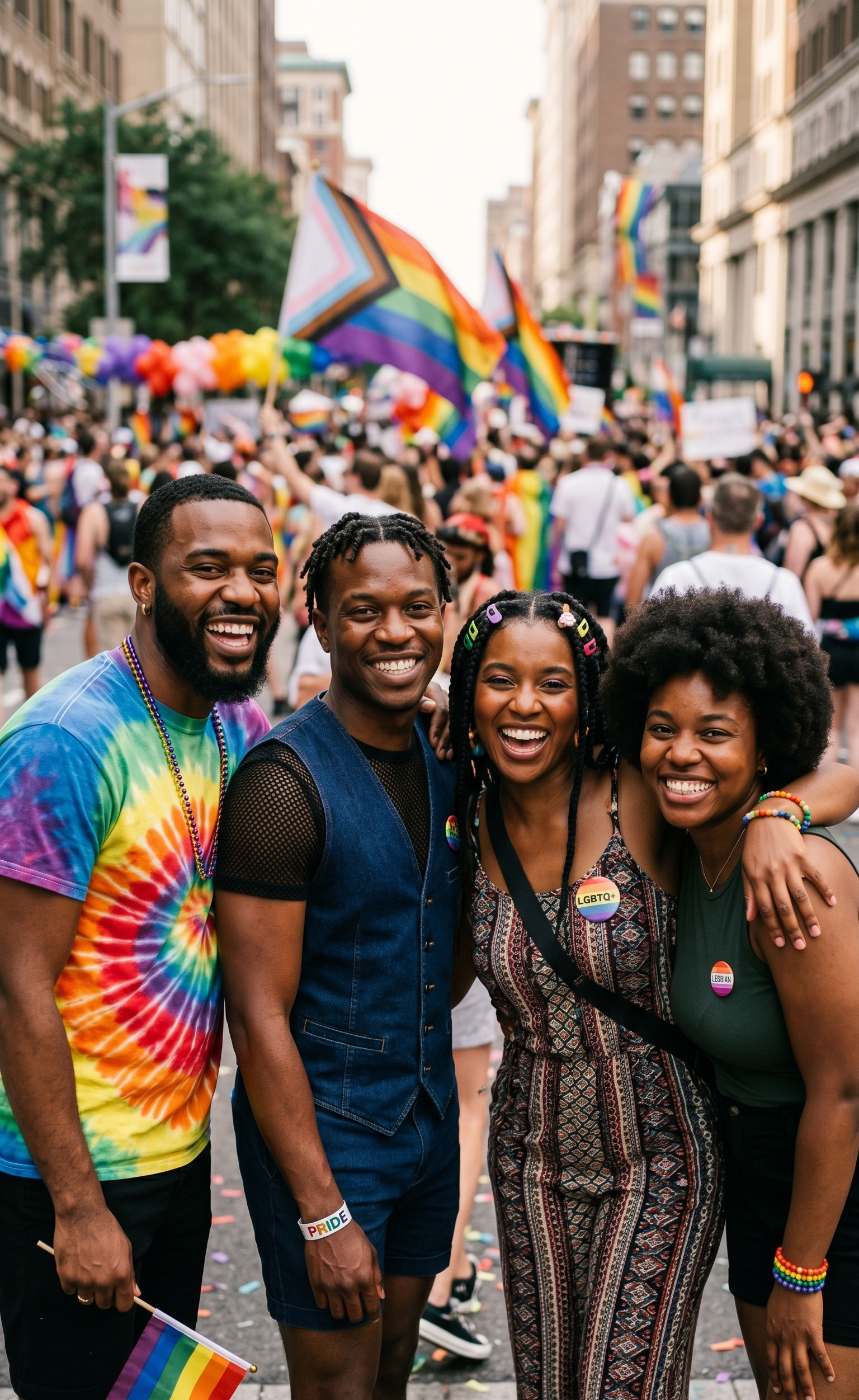
LGBTQ+ People of Color: The Weight of Intersectional Stress
Belonging to more than one marginalized community does not divide stress neatly into separate categories. It compounds it. For LGBTQ+ people of color, emotional strain is rarely experienced as “racial stress” on one side and “queer stress” on the other.
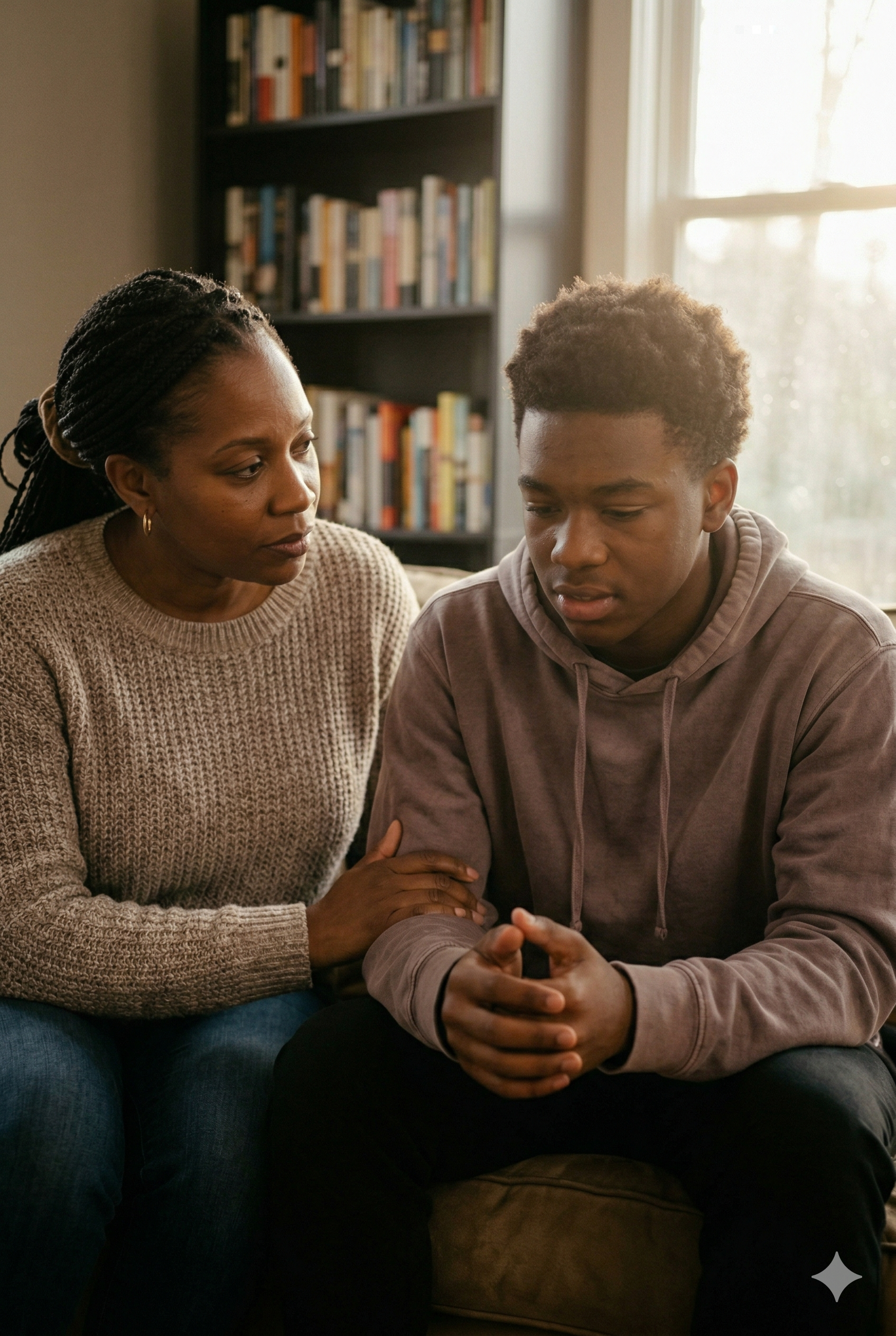
How Parents Can Support a Teen of Color Who Is Struggling
Your teenager is struggling. You can feel it — in the silence, in the withdrawal, in the way they respond to questions with one word when they used to talk.
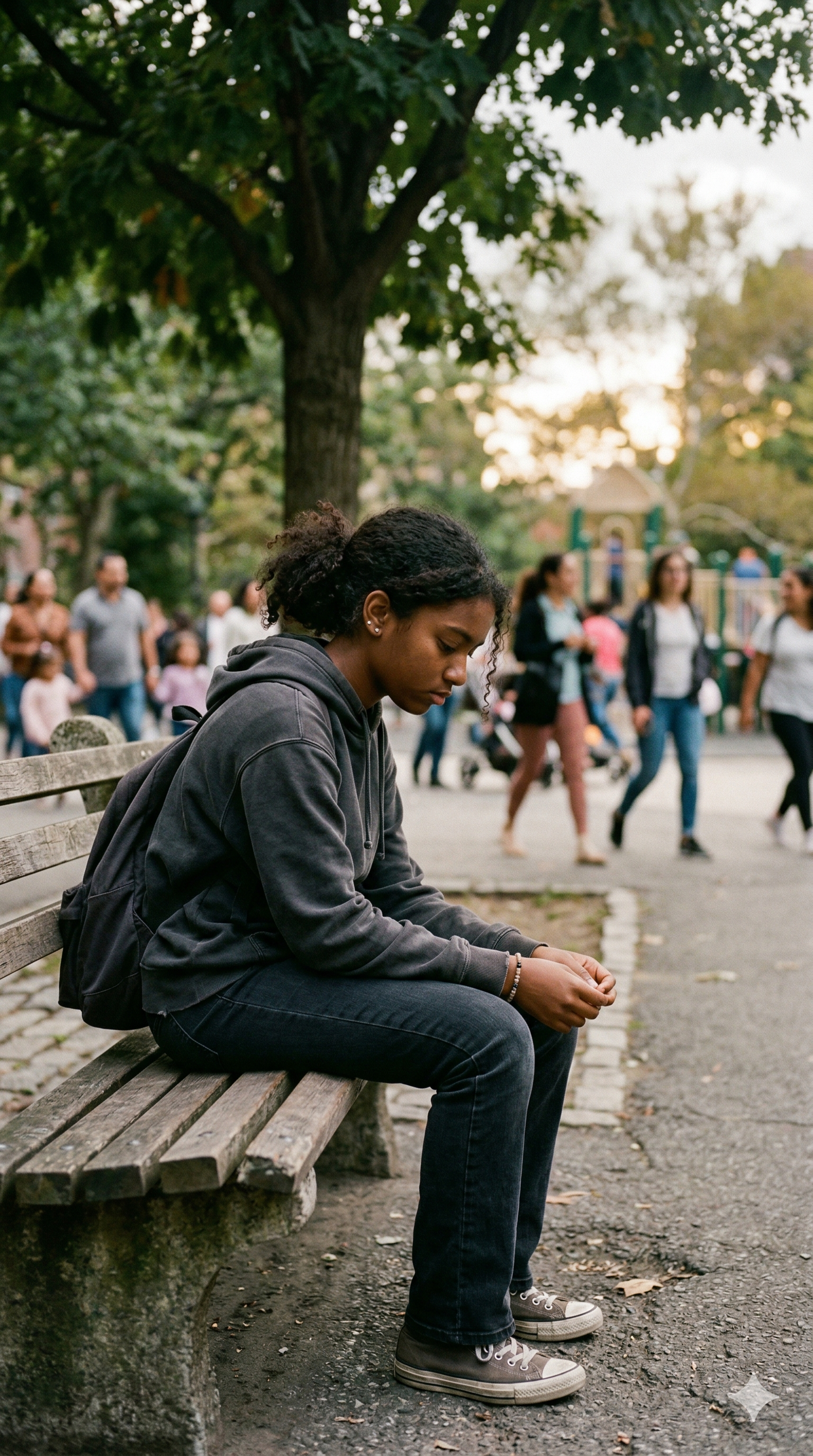
Depression in Teenage Girls of Color: When No One Sees It
Depression in Black and Brown teenage girls is one of the most consistently underidentified forms of emotional suffering in mental health care. Not because it is rare — but because it is hidden.
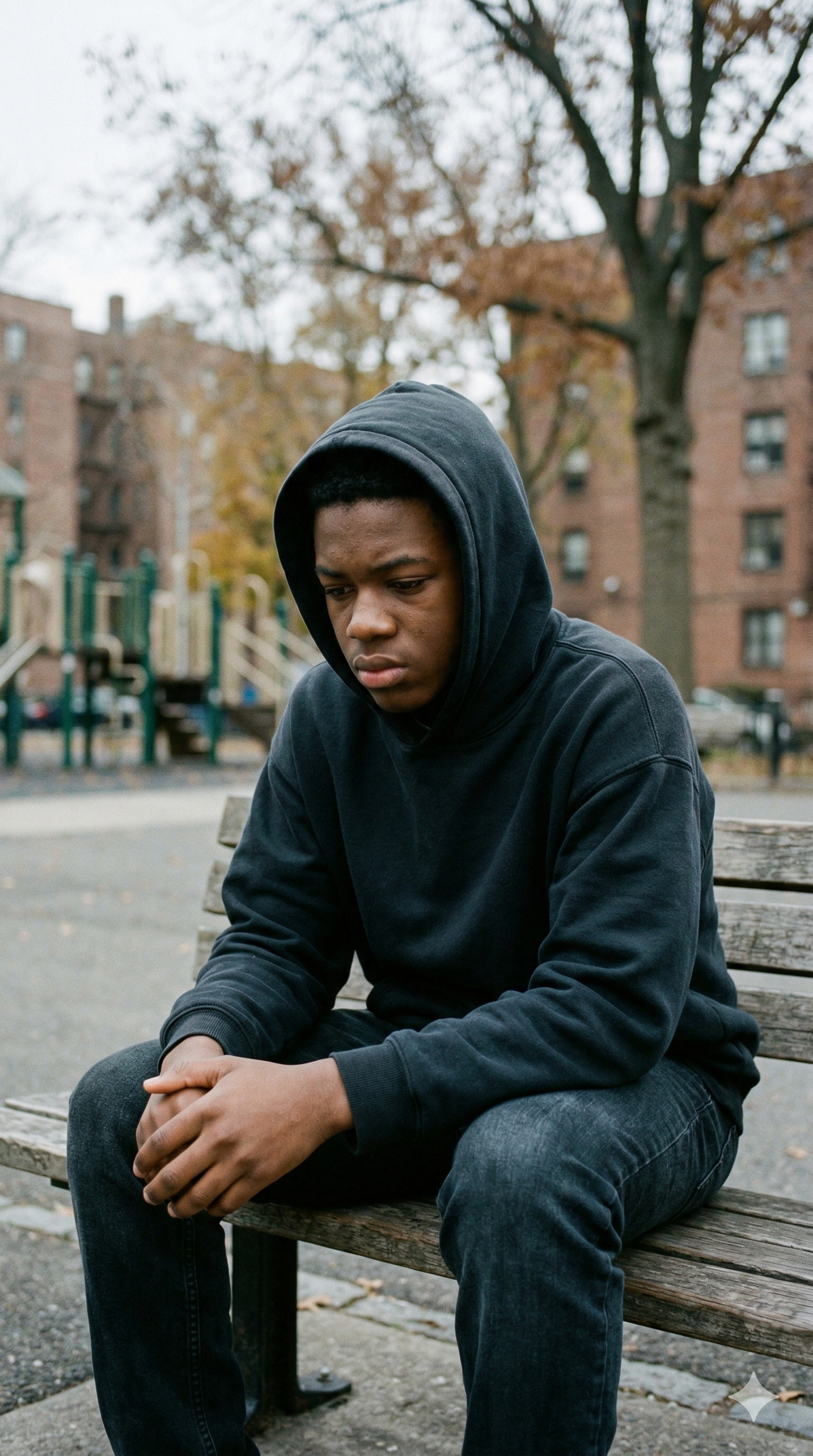
The Pressure to Be Strong: Black Teen Boys & Mental Health
If you are a Black teenage boy, you have probably been told — directly or indirectly — that being strong means not showing what you feel. That getting through things matters more than talking about them.
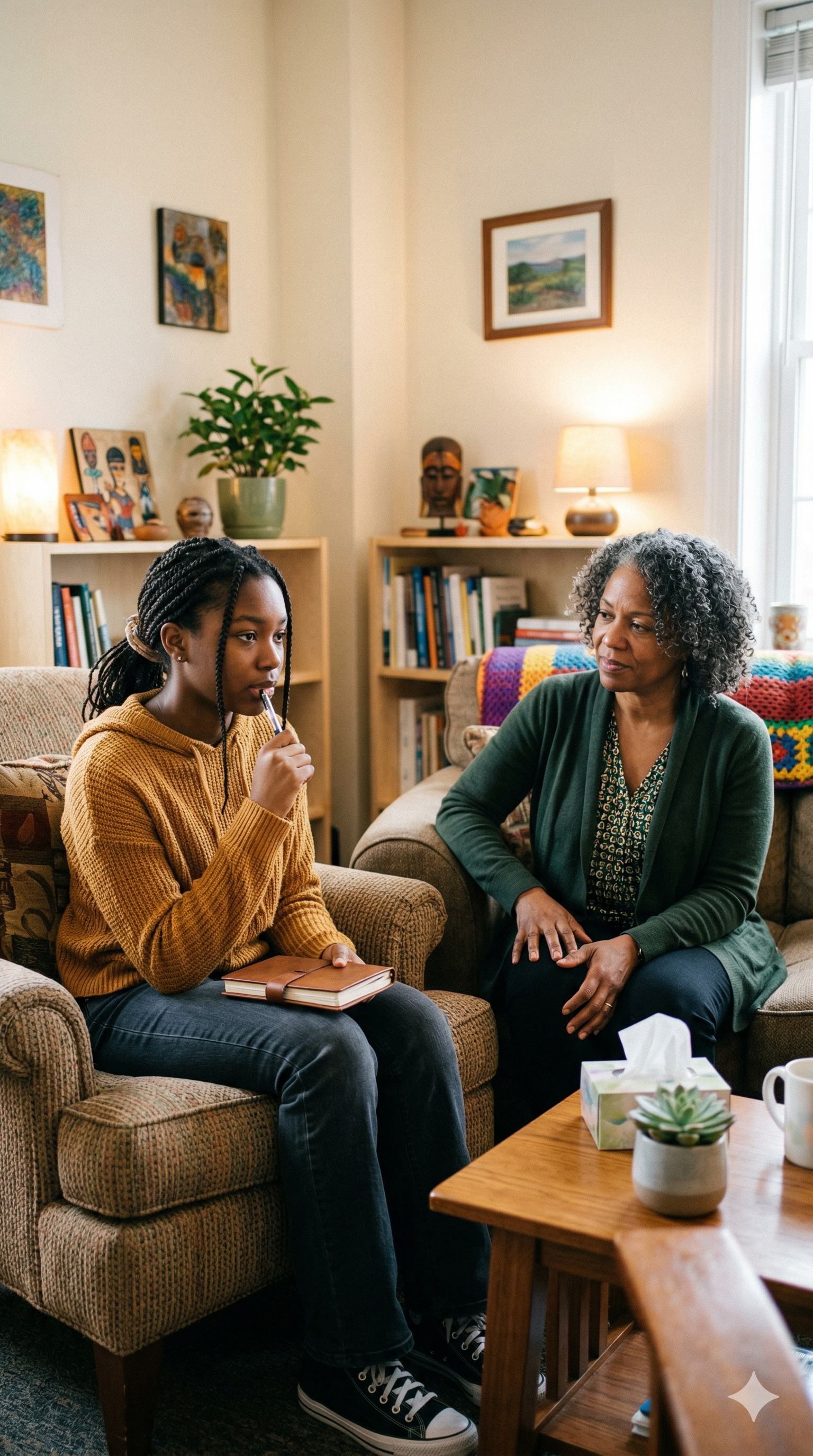
Why Therapy Feels Weird at First: What Teens of Color Should Know
So you're thinking about therapy — or someone in your life suggested it — and part of you is already skeptical. Maybe it sounds like something that's not for you.
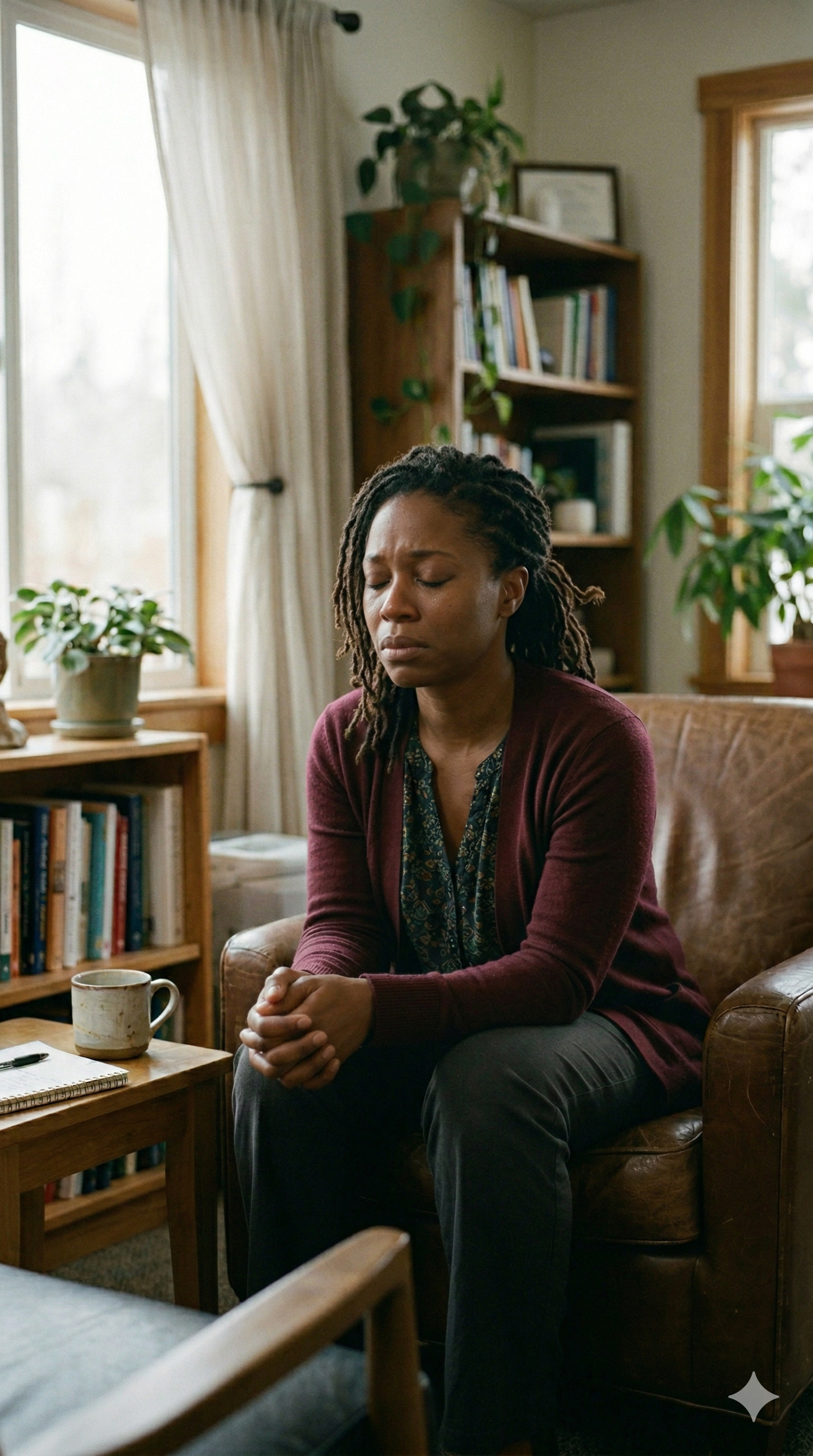
Therapists Need Therapy Too: Processing Trauma So It Doesn't Enter the Room
It is one of the open secrets of the mental health field: therapists have their own trauma too. The training tells you to be aware of countertransference. It does not always tell you what to do when your client's story sits in your chest long after the session ends.