


Managing Anxiety Without Letting It Define You
Anxiety is one of the most common mental health concerns, yet it is frequently misunderstood. It is often treated as something to eliminate entirely. In reality, anxiety is a natural nervous system response designed to protect.

Healing Relationship Patterns at the Root
Many people enter therapy focused on surface-level conflict — communication breakdowns, recurring arguments, emotional distance, or trust concerns. Yet beneath these patterns often lies something deeper: relational templates formed long before the current relationship began.

Navigating Life Transitions Without Losing Emotional Ground
Life transitions are inevitable. Some are planned — career shifts, relocations, educational milestones. Others arrive unexpectedly — relationship changes, health challenges, identity shifts, or loss.
Even positive transitions can disrupt emotional stability. What once felt predictable becomes uncertain. Roles evolve. Expectations change. The nervous system must adapt.
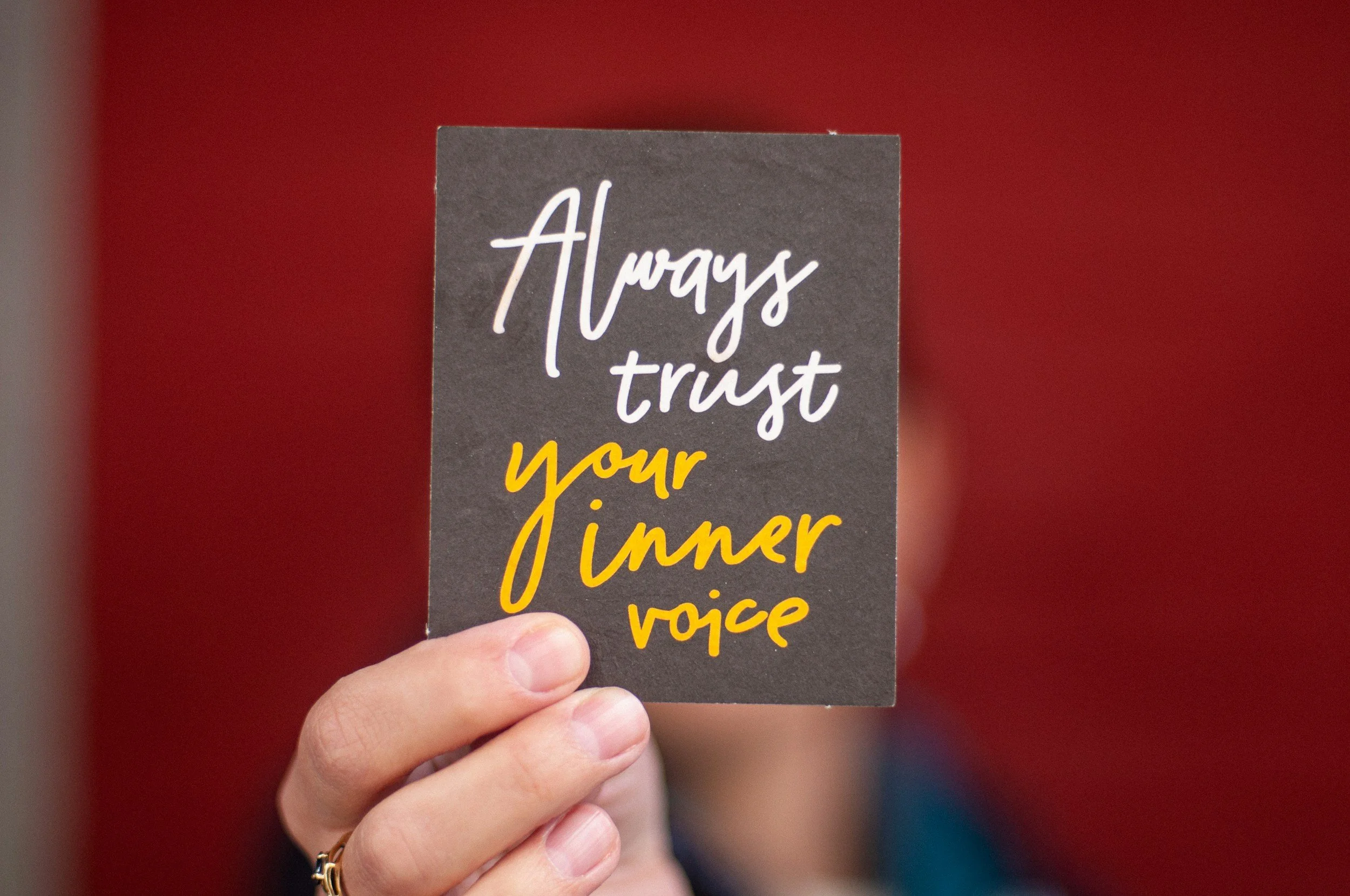
Reclaiming Your Voice in the Healing Process
Your voice is more than speaking. It is the ability to recognize your needs, express your emotions, set boundaries, and make decisions that align with your values. When voice is suppressed—by past experiences, relational dynamics, cultural expectations, or internalized self-doubt—emotional distress often follows.
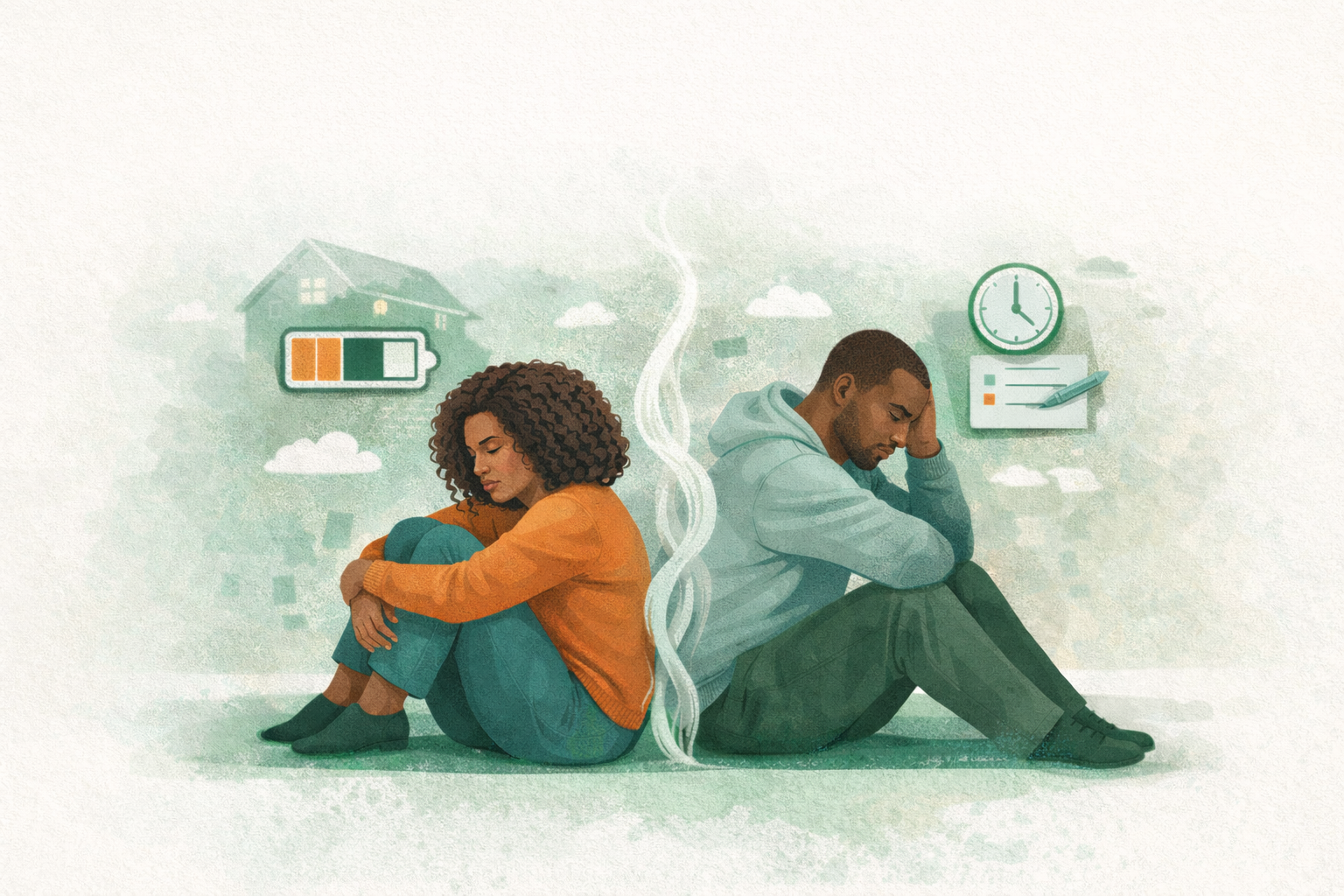
Love, Expectation, and Emotional Exhaustion: Setting Healthier Relationship Rhythms
Love is often assumed to be enough to sustain a relationship. Care, commitment, shared history, and intention are treated as safeguards against burnout. Yet emotional exhaustion can develop even in deeply loving relationships. Partners may feel depleted, irritable, or disconnected without fully understanding why, especially when there is still care and desire to make things work.

Why Relationship Conflict Feels More Intense When You’re Already Overloaded
Relationship conflict often feels personal. When disagreements escalate quickly, linger longer than expected, or leave emotional residue, it is easy to assume something is fundamentally wrong with the relationship itself. Yet conflict rarely exists in isolation. It unfolds within the context of stress, responsibility, emotional load, and capacity.