


Strengthening Communication to Reduce Conflict and Emotional Distance
Conflict in relationships is inevitable. Emotional distance, however, often develops when communication patterns go unexamined. Many individuals believe conflict itself is the problem. More often, the difficulty lies in how conflict is managed — whether emotions escalate, needs remain unspoken, or assumptions replace clarification.

Navigating Bicultural Identity and Emotional Well-Being
For many individuals, identity is layered. Cultural background, family values, language, community expectations, and personal goals may not always align seamlessly. Living between cultures can create both strength and strain.

Building Self-Awareness as the First Step Toward Change
Most people enter therapy wanting change — relief from anxiety, improvement in relationships, greater clarity in decision-making, or stronger emotional stability. Yet meaningful change rarely begins with action. It begins with awareness.

Strengthening Emotional Resilience in High-Stress Seasons
Stress is not inherently harmful. In manageable amounts, it can sharpen focus and motivate action. However, when stress becomes chronic — especially during high-demand seasons of life — emotional resilience can begin to weaken.

Managing Burnout Before It Becomes Emotional Exhaustion
Burnout rarely happens overnight. It develops gradually — through sustained stress, blurred boundaries, chronic overextension, and limited recovery time. Many individuals do not recognize burnout until emotional exhaustion has already taken hold.
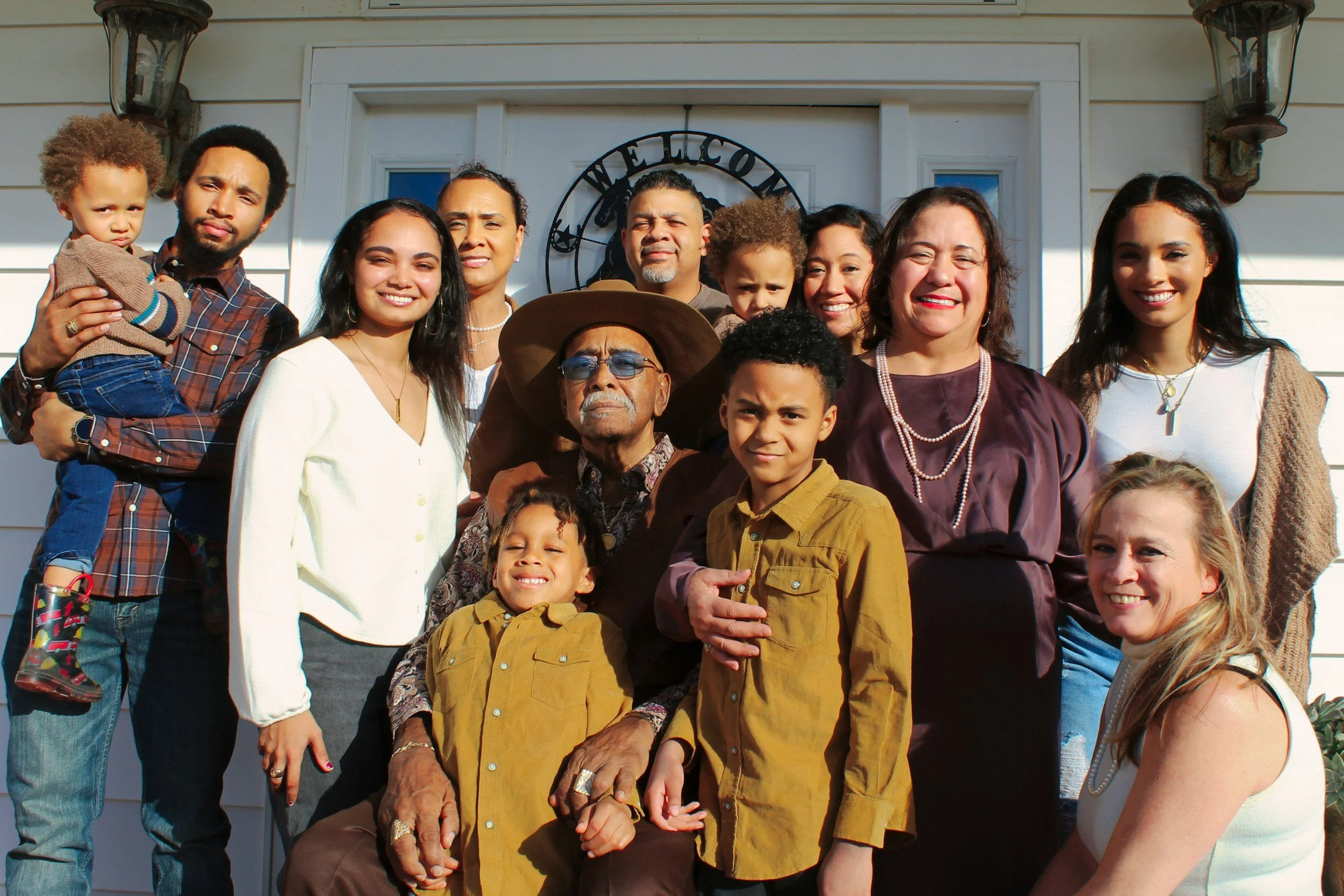
Balancing Cultural Expectations and Personal Well-Being
Mental health does not exist in isolation. It is shaped by family systems, cultural narratives, community expectations, and generational values. For many individuals, distress does not stem solely from internal struggle — it emerges from the tension between cultural responsibility and personal needs.