


Strengthening Emotional Resilience in High-Stress Seasons
Stress is not inherently harmful. In manageable amounts, it can sharpen focus and motivate action. However, when stress becomes chronic — especially during high-demand seasons of life — emotional resilience can begin to weaken.

Healing From Trauma Without Losing Your Sense of Self
Trauma can alter how individuals see the world — and themselves. It may impact safety, trust, identity, and emotional regulation. While traumatic experiences vary in intensity and duration, their effects often linger long after the event has passed.

Balancing Cultural Expectations and Personal Well-Being
Mental health does not exist in isolation. It is shaped by family systems, cultural narratives, community expectations, and generational values. For many individuals, distress does not stem solely from internal struggle — it emerges from the tension between cultural responsibility and personal needs.
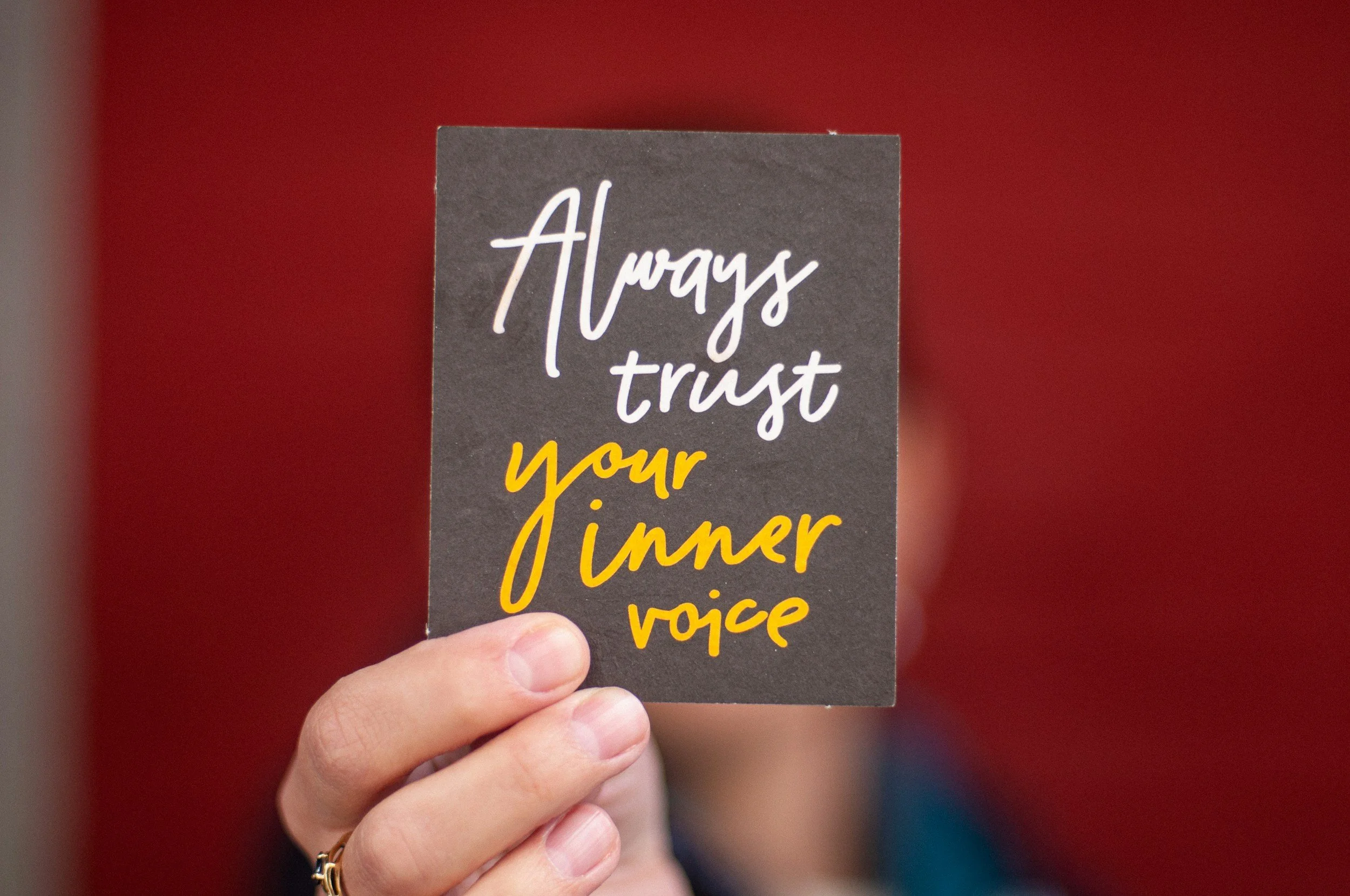
Reclaiming Your Voice in the Healing Process
Your voice is more than speaking. It is the ability to recognize your needs, express your emotions, set boundaries, and make decisions that align with your values. When voice is suppressed—by past experiences, relational dynamics, cultural expectations, or internalized self-doubt—emotional distress often follows.


When Stress Feels Like Irritability, Shutdown, or “I Can’t Take One More Thing”
Stress does not always look like panic. Stress can look like snapping at someone you love, feeling irritated by small noises, going emotionally flat in the middle of a conversation, or staring at a to-do list with a blank mind. The body is present, but capacity is gone.