


Breaking Generational Patterns to Create Healthier Futures
Many emotional patterns do not begin with us. They are shaped by family systems, cultural narratives, survival strategies, and intergenerational experiences. While some inherited patterns foster resilience, others contribute to anxiety, silence, emotional suppression, or relational strain.

Healing From Trauma Without Losing Your Sense of Self
Trauma can alter how individuals see the world — and themselves. It may impact safety, trust, identity, and emotional regulation. While traumatic experiences vary in intensity and duration, their effects often linger long after the event has passed.

Rebuilding Self-Trust After Emotional Setbacks
Self-trust is rarely discussed directly in mental health conversations, yet it shapes nearly every decision we make. When self-trust is strong, choices feel grounded. Boundaries feel clearer. Relationships feel more aligned.
Balancing Cultural Expectations and Personal Well-Being
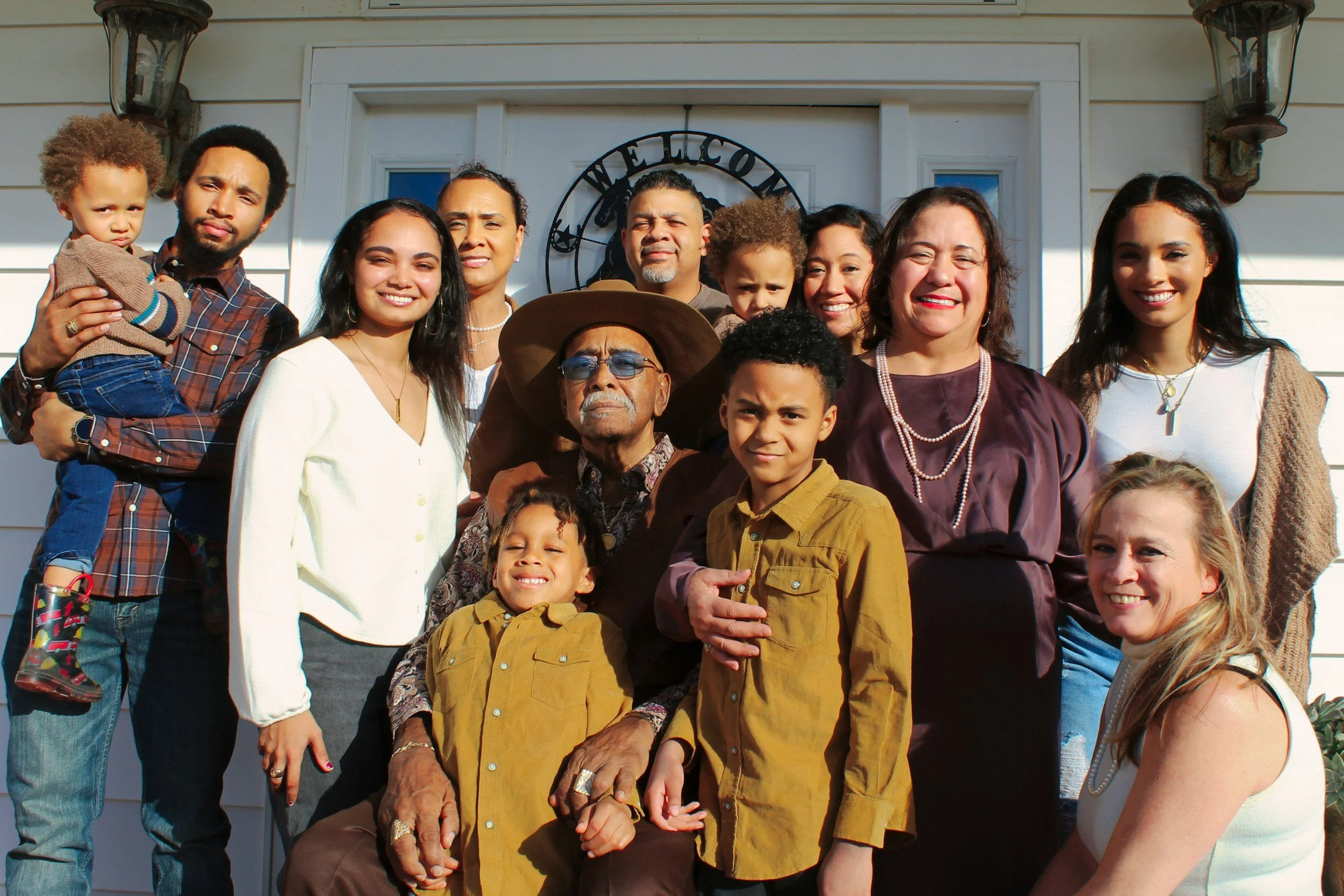
Mental health does not exist in isolation. It is shaped by family systems, cultural narratives, community expectations, and generational values. For many individuals, distress does not stem solely from internal struggle — it emerges from the tension between cultural responsibility and personal needs.

Processing Grief Without Rushing the Timeline
Grief is often associated with death, but loss takes many forms. The end of a relationship, a shift in identity, a career change, health challenges, or unmet expectations can all create grief responses.

Managing Anxiety Without Letting It Define You
Anxiety is one of the most common mental health concerns, yet it is frequently misunderstood. It is often treated as something to eliminate entirely. In reality, anxiety is a natural nervous system response designed to protect.