


Why Saying No Feels Unsafe (and How Therapy Helps)
For many people, saying no is not a simple decision. It can trigger anxiety, guilt, or fear of conflict long before words are spoken. This reaction often feels confusing—especially for those who are capable, reliable, and accustomed to meeting others’ needs.

Setting Boundaries Without Cutting People Off
For many people, the idea of setting boundaries immediately brings fear of conflict, rejection, or loss. This fear can be especially strong in Black families and other communities of color where connection, loyalty, and collective responsibility are deeply valued. As a result, boundaries are often misunderstood as harsh, selfish, or equivalent to cutting people off.

What Emotional Regulation Actually Looks Like in Daily Life | Emotional regulation tips
Emotional regulation is often misunderstood. Many people believe it means staying calm, controlling emotions, or not reacting at all. When emotions feel intense, they assume they are “bad at regulating.”
In reality, emotional regulation is not about eliminating emotion. It is about how the nervous system notices emotional activation, responds to it, and recovers afterward. For Black women and communities of color — whose emotions have often been scrutinized or minimized — regulation can feel especially complicated.
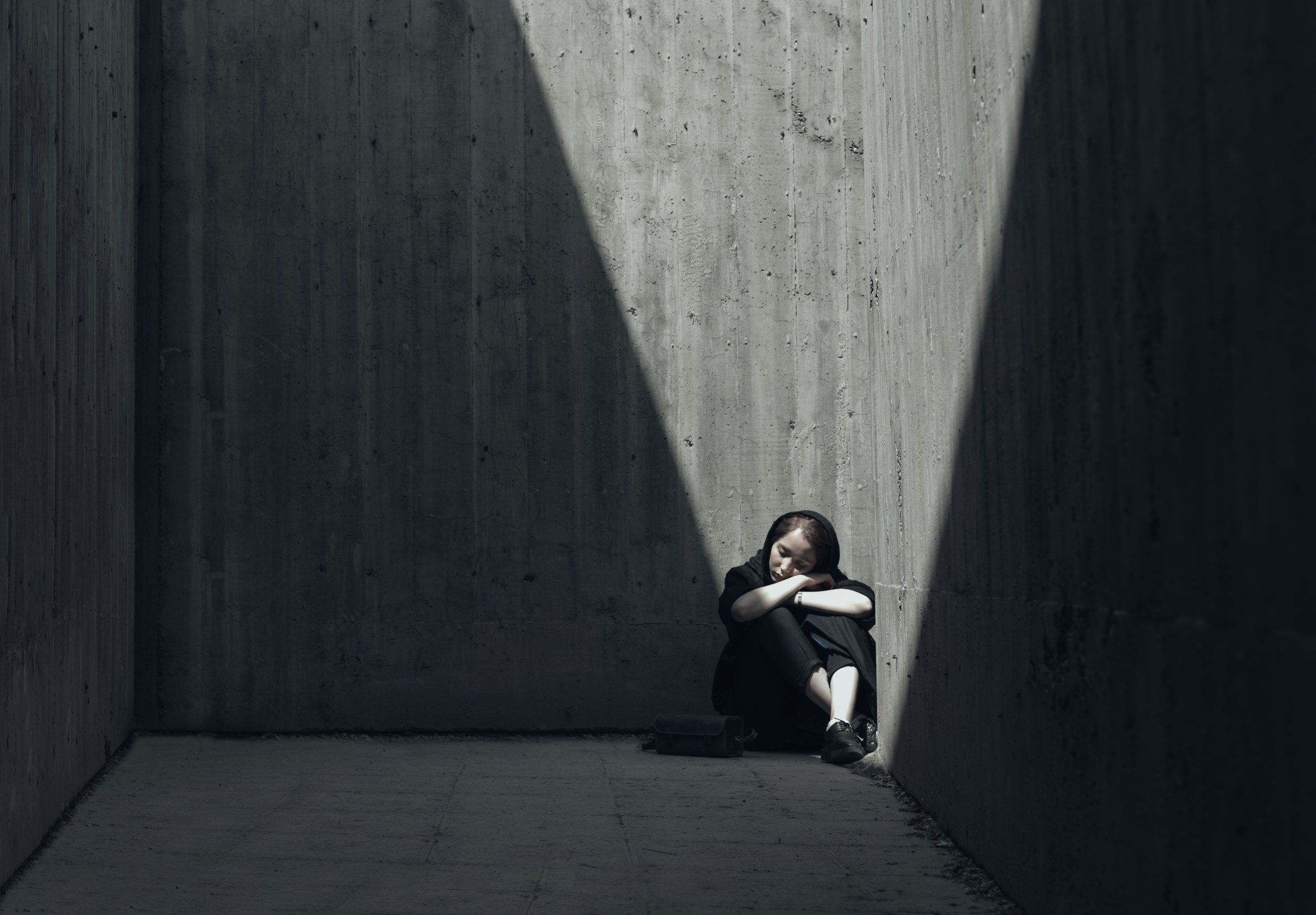
Why Urgency Feels Normal When You’ve Lived in Survival Mode
Many people describe feeling as though everything must be handled immediately. Slowing down feels uncomfortable, even unsafe. This sense of urgency is often mistaken for productivity or motivation, but it is frequently rooted in survival-based nervous system conditioning.
This article explores why urgency feels normal after prolonged stress, how it impacts mental health, and how therapy supports a slower, safer internal pace.

When Being “Strong” Becomes Exhausting: Rethinking Resilience in Black Mental Health
Strength is often praised in Black communities, especially among women. While resilience has helped generations survive, constant strength without rest can quietly erode mental health. Many people seek therapy not because they are weak, but because they are tired of carrying everything alone.